
One of the biggest pitfalls of surviving this horrible disease for 8 years is that you lose a lot of friends along the way. I’ve lost too many to count. Every single one of those people is a scar on my heart.
After I was diagnosed with cancer, I longed for connection, someone somewhere that could tell me I wasn’t alone. I found my tribe online. Actually I found a few tribes because my experience like many out there didn’t fit a neatly tied up definition of the cancer experience. I wasn’t just a young adult, or a lung cancer patient, but a young adult with incurable ALK+ lung cancer. So eventually I found what I was looking for. I cannot begin to tell you how powerful it is to connect with people who have walked in your shoes.
In many instances I have never met the people I talk to, we tweet, chat, post to web boards, blog, etc. but in those communications we have forged a bond of strength, empathy, support and friendship. In all of my interactions with others like me, whether in person or online, I find that these patients have an uncanny ability to cut through the niceties and small talk and really get down to the humanity of this disease. They know the fear, anxiety, sense of loss, empathy and mutual respect for another’s journey, because they too have been through it. It is because of that shared experience that we connect on such a profound level. I see myself reflected in them and they see themselves reflected in me. It is a connection that many of us don’t have with even our loved ones, because as much as they love and support us, they just simply don’t know what it is like to live with cancer.
Being a part of these communities is such a privilege. So often we share things with each other that we can’t share with even our closest friends and loved ones. It is truly a unique and beautiful thing to have such friends, but these relationships come with a price. It is the double-edged sword of sharing such deep connections – the grief and sense of loss when one of our friends passes away.
Someone once asked me how I can be so sad for someone I’ve never met? The answer is simple. I am mourning for them, their families and friends. I am mourning the loss of potential happiness and love and life that could have been. I am also mourning for me because at some point it will be me. When one of our friends dies, we are reminded very explicitly that we too are vulnerable. For a brief time, the light and fight and hope we have nurtured is extinguished and we are broken. The loss of “virtual” friends results in a very real sense of loss and sadness. We should treat these feelings the same way we would if we lost a “real” friend. Feel the sadness, talk about your feelings, honour your friend’s memory, and if needed seek support, within your communities and outside of them.
Yesterday, the world lost a tremendous light.
 She was 27, a young mother who beamed when talking about her 18 month old miracle boy. She was an incredible advocate speaking out for the lung cancer community and raising awareness and funds for support programs and research. She like me was a teacher and a young face of lung cancer.
Elizabeth also known as From Lizzie’s Lungs was diagnosed just shy of two years ago, she was celebrating being a newly wed. She and her husband were expecing a new arrival when a nagging health concern turned their lives upside down. Lung cancer. A rollercoaster ride no one let alone a 26 year old should face. She faced every challege with stride and with grace. She was a force!
Today I mourn Elizabeth. I mourn for her beatiful son, I mourn for her loving and supportive husband, I mourn for her parents and family who loved her, I mourn for her friends, and I mourn for us.
Fly with the angels Elizabeth. Just Breate.
AM


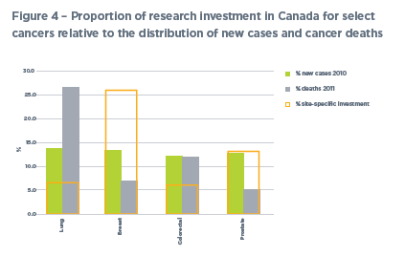
 done on metastatic patients, or patients who are outliers? I imagine they feel neglected too. In the U.S., part of this problem may have just been addressed with the signing of the 21st Centuries Cures Act. The rest of the world however may not have a course correction, so we need to be able to recognize that in order to have equality, we need to point out the inequities. Then instead of cutting the pie smaller, we need to bake a bigger pie. We need to break down barriers, and share information. More and more we see that the driving mutations in different disease groups are the same.


 It is impossible to describe the feeling when you meet someone else like you.Therefore unimaginable when you meet 60. All I can say is my heart was full and I am so privileged to be a part of such a wonderful event. This was Lung Cancer Canada’s first Hope Is Here Patient Summits, I know it won’t be the last. I thank everyone in the office and all the volunteers and sponsors for everything you did!

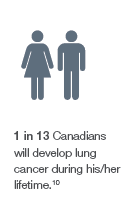 Every year 28,4001 Canadians and 221,2002 Americans are diagnosed with lung cancer. Of those diagnosed, 20,8003 in Canada and 157,4994 in the US will have their lives taken from this disease. The truth is that while many other cancers have improved 5-year survival rates, lung cancer still remains one of the lowest at about 17%5.
 If one has asked me what type of cancer I thought I may get in my lifetime, seven years ago before lung cancer happened to me, I would have thought it would be breast cancer. After all, I am a woman with breasts and like many, I didn’t think that because I was human and had lungs that I’d be at risk. The reality is, one of the fastest growing segments in lung cancer is the population of young, non/never smokers (17.9%)7. Add to that the population of people who had previously quit smoking (60%)8, and you begin to get a different picture of lung cancer.

 . I know differently now.





 These Are My Scars
You must be logged in to post a comment.